If you are looking for the practical view (definition, use cases, and formats), go to microlearning in the company.
What is microlearning?
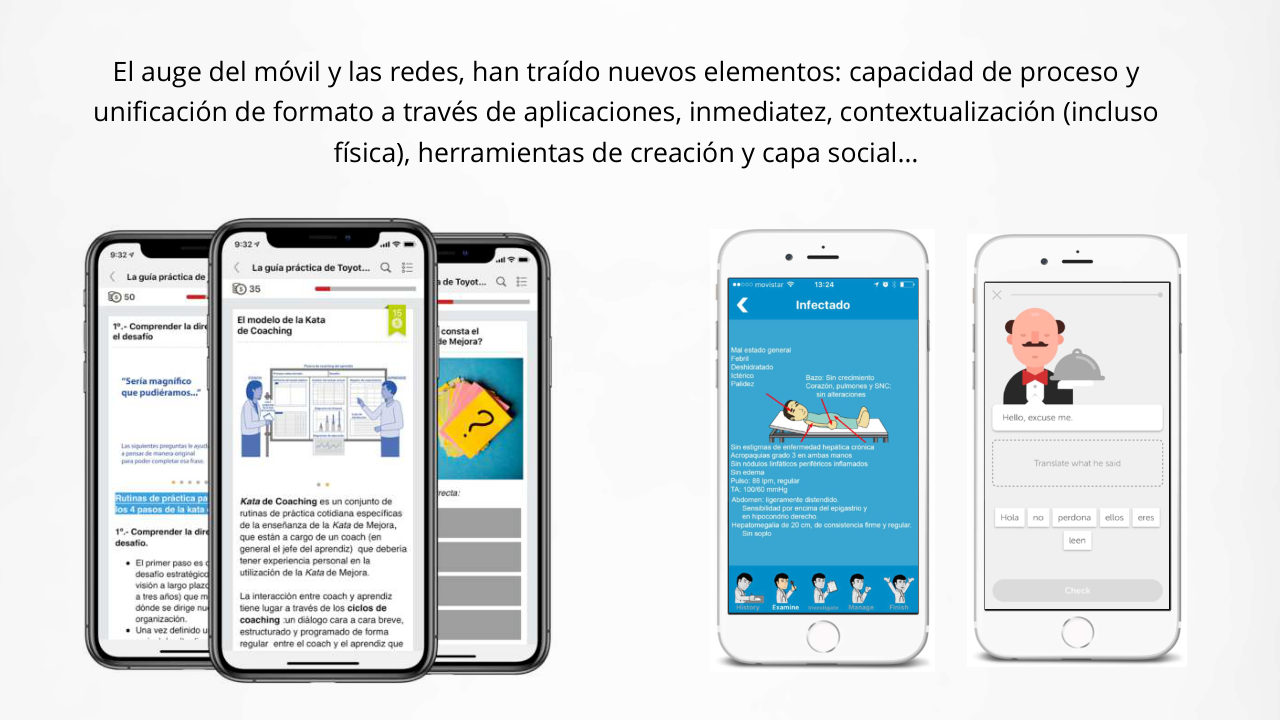
Microlearning is a methodology that has been with us for many years, but with the rise of mobile devices, social media, and data analysis it has become much more relevant. In this article, and in the presentation you will see at the end, we will help you answer the most common questions about microlearning and microcontent, and about how to apply them.Microlearning is the design of a training dynamic that uses small, sequenced impacts, interactions, and mechanics which, as a result, help consolidate learning. This methodology is also based on a set of characteristics that make it an ideal solution for many learning processes:
- It concentrates attention.
- It reduces consumption and interaction time.
- It is easier to absorb.
- It lets you combine content and elements, enabling modular interactions.
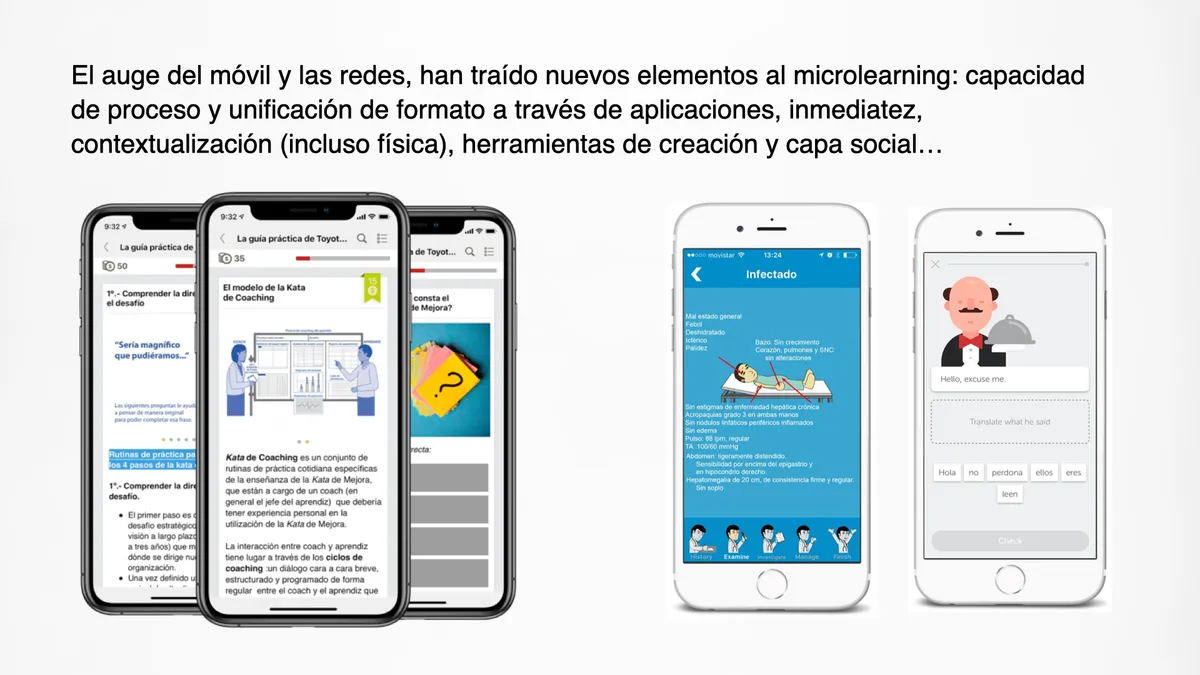
- It is designed specifically for use on mobile devices.
- It is contextual, both in content and in geographic location.
Why does microlearning work?
Microlearning works because it matches the way our brain learns. Instead of delivering large amounts of information all at once, microlearning splits the content into small portions that are easier to absorb and remember.It also uses different content formats, such as short videos, infographics, and interactive exercises, to hold the learner’s interest and provide a more dynamic learning experience. This also lets the learner go at their own pace, which increases retention and motivation.
Another benefit of microlearning is that it is easy to fit into daily life. The learning modules are short and can be opened on mobile devices, which means you can learn anytime, anywhere. That makes learning more convenient and accessible, which in turn makes it more likely that people will use it and build it into their daily routine.
Characteristics of microlearning and microcontent
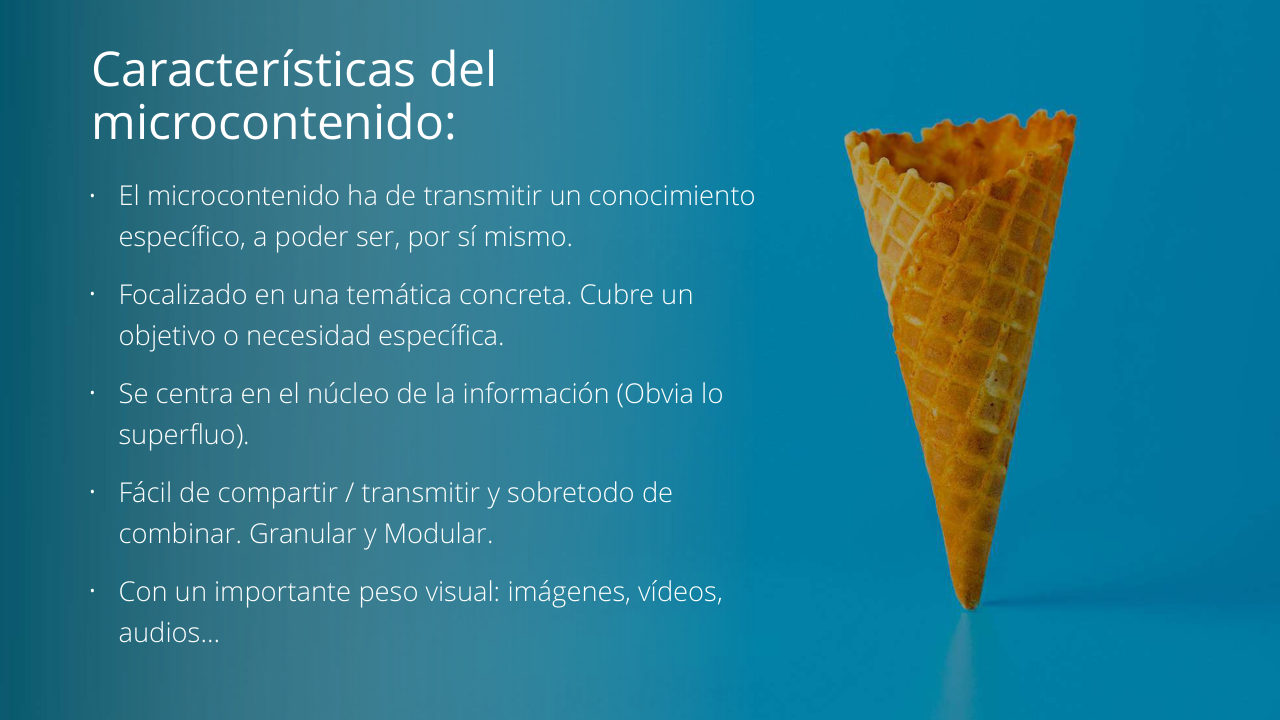
The main characteristics of microlearning are a focus on a specific topic and its short duration. We can also highlight others:- Microcontent should convey specific knowledge, ideally on its own.
- It covers a specific objective or need.
- It focuses on the core of the information (it leaves out what is superfluous).
- It is easy to share, pass on, and combine.
- It is multi-format and often multi-channel.
- It has a strong visual weight: images, videos, audio…
Microlearning needs a channel, dynamics, and structures
When we talk about microlearning, we have to keep in mind, on one side, the microcontent itself and, on the other, the channel (which makes microlearning possible) and the dynamics associated with that channel.
Elements you usually find in a microlearning channel:
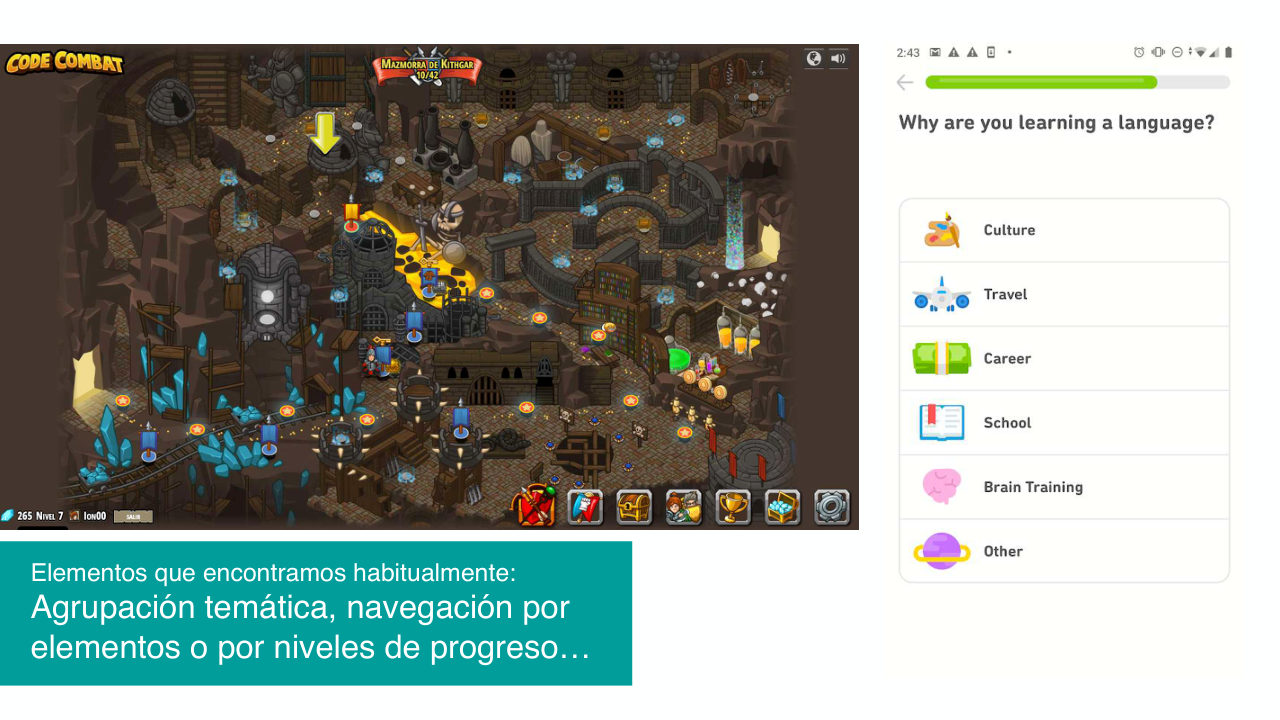
- Thematic grouping.
- Navigation and structure. Maps or thematic classification.
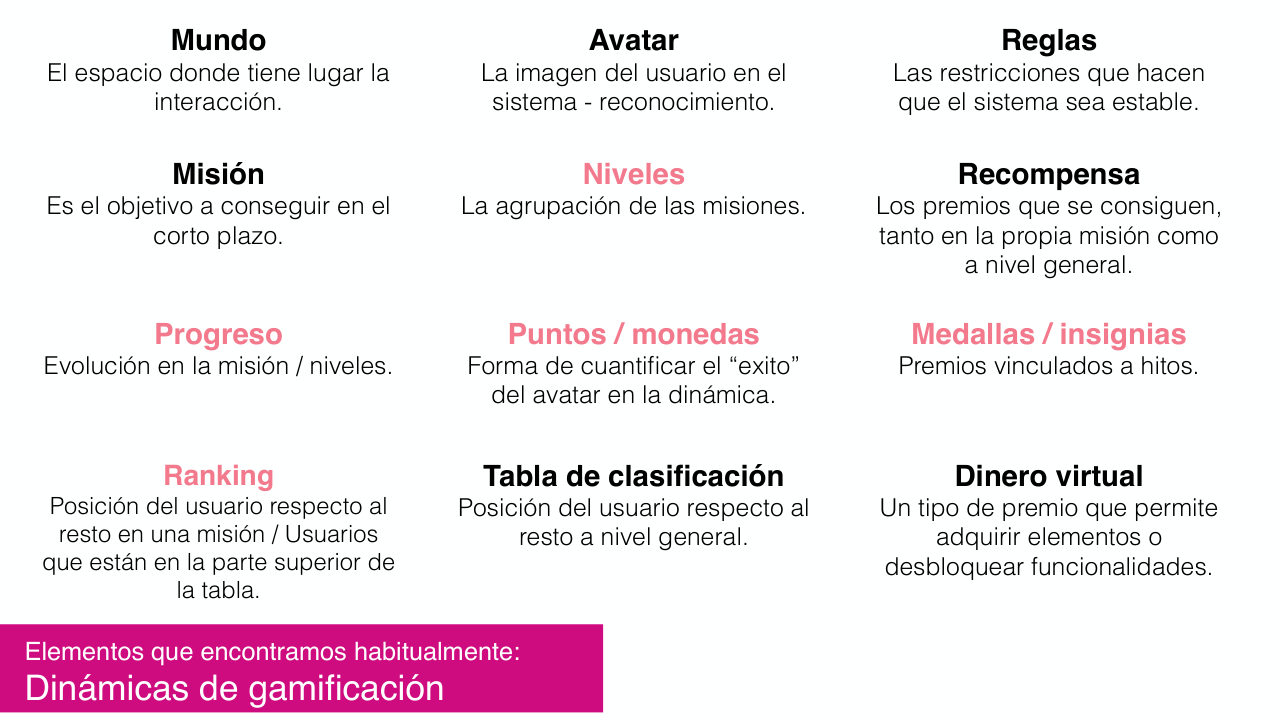
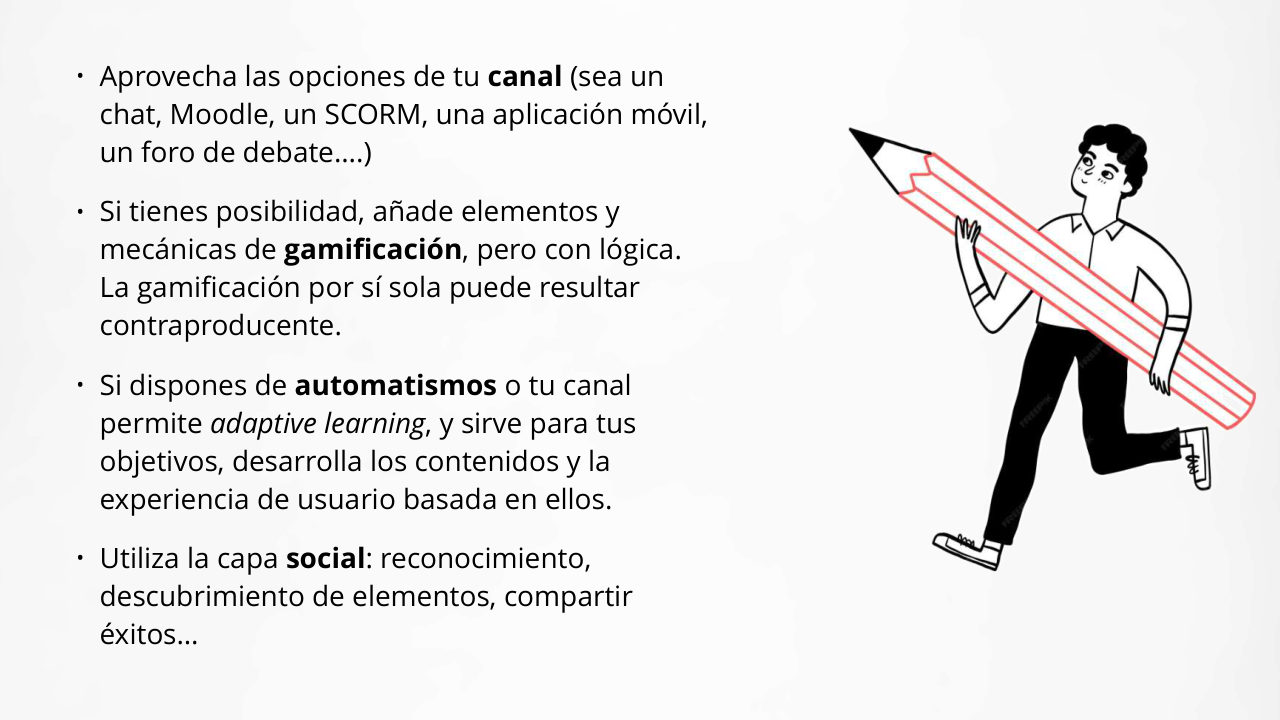
- Gamification dynamics.
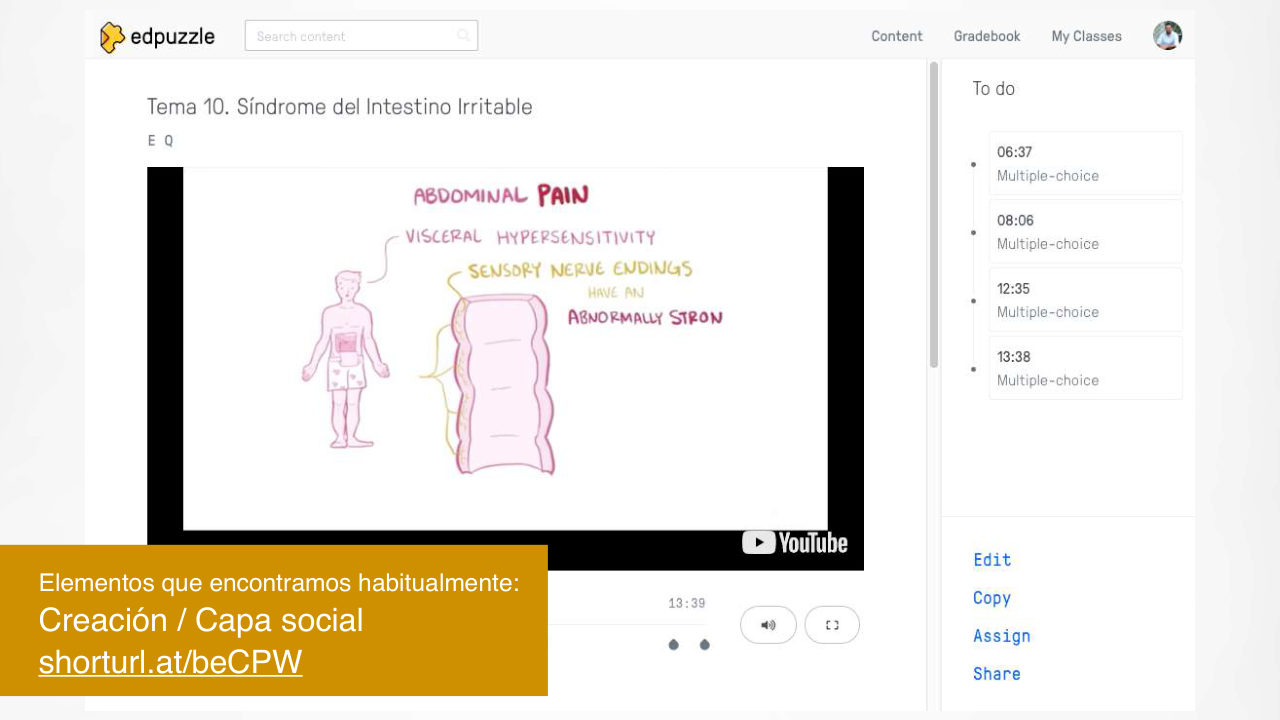
- Self-creation of content.
- A social layer (exploration and co-creation dynamics).
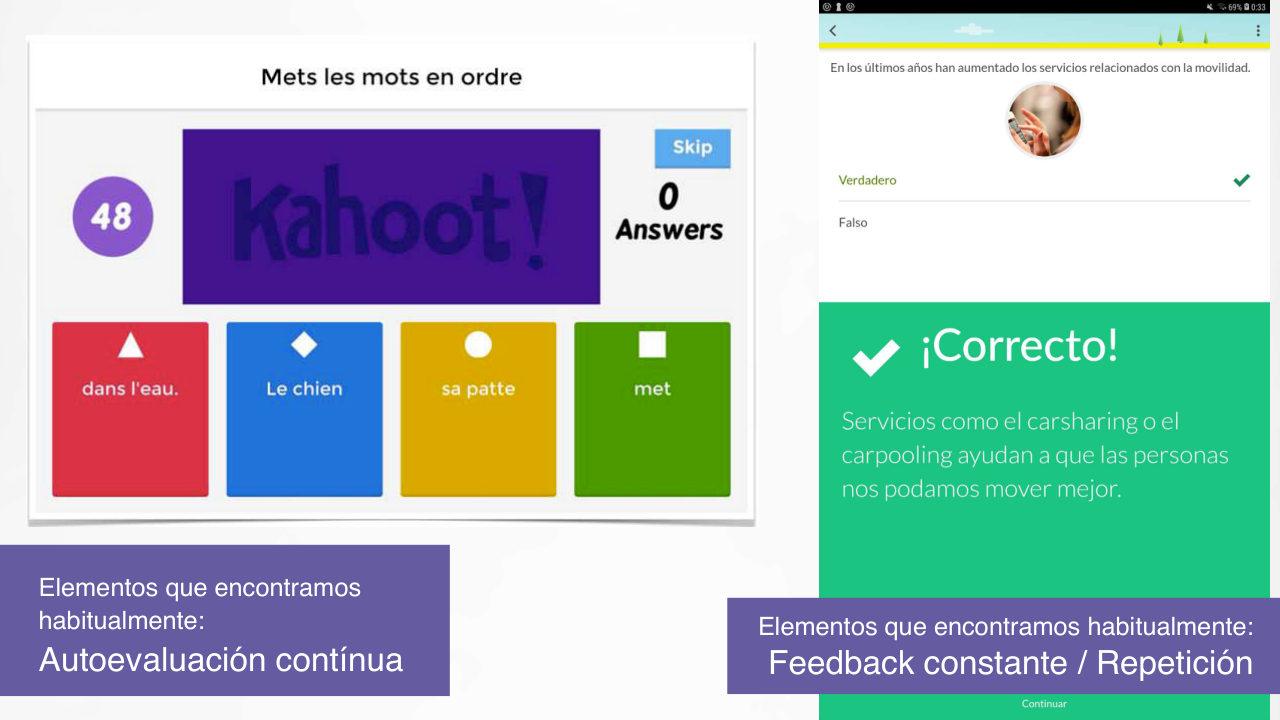
- Continuous self-assessment.
- Feedback.
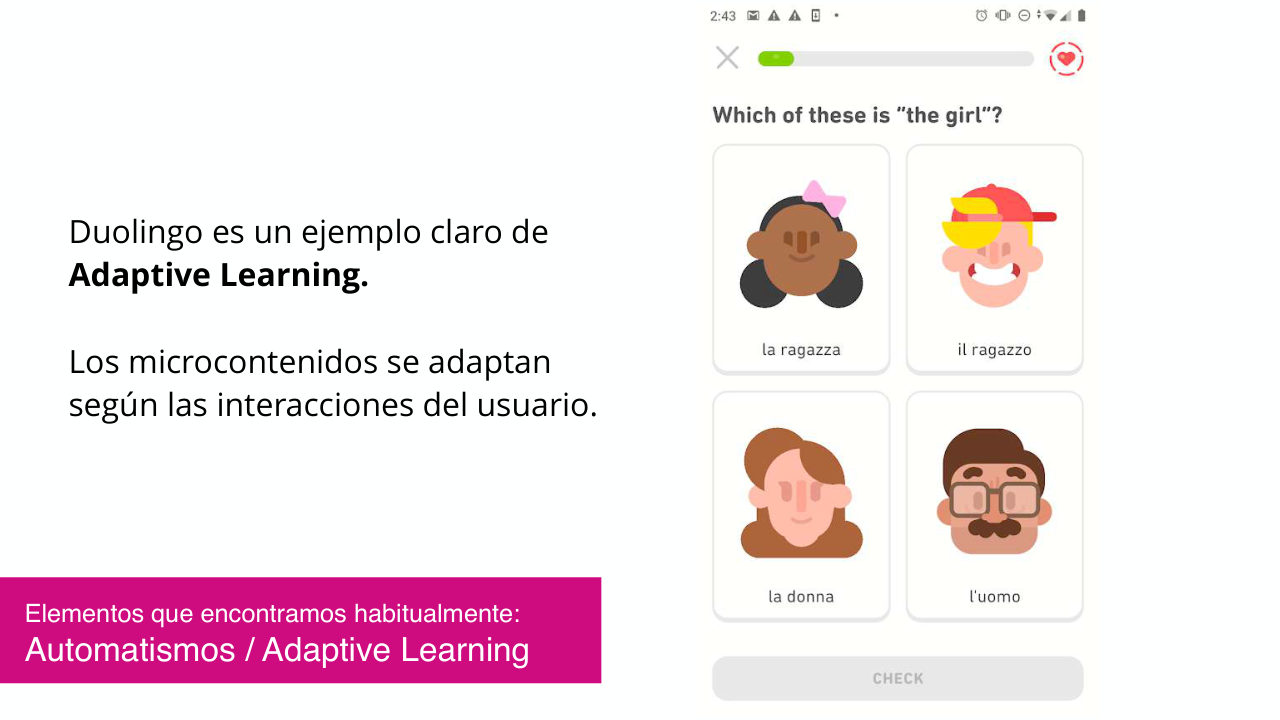
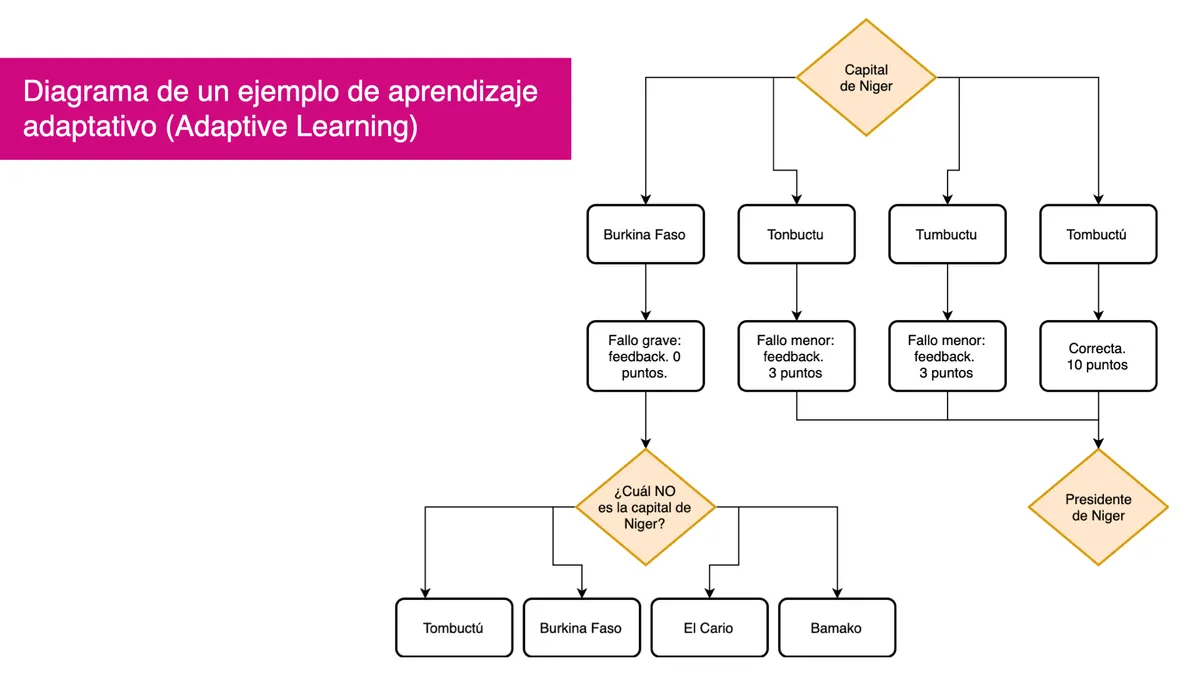
- Adaptive learning.
- Data analytics (feedback).
How long is microlearning?
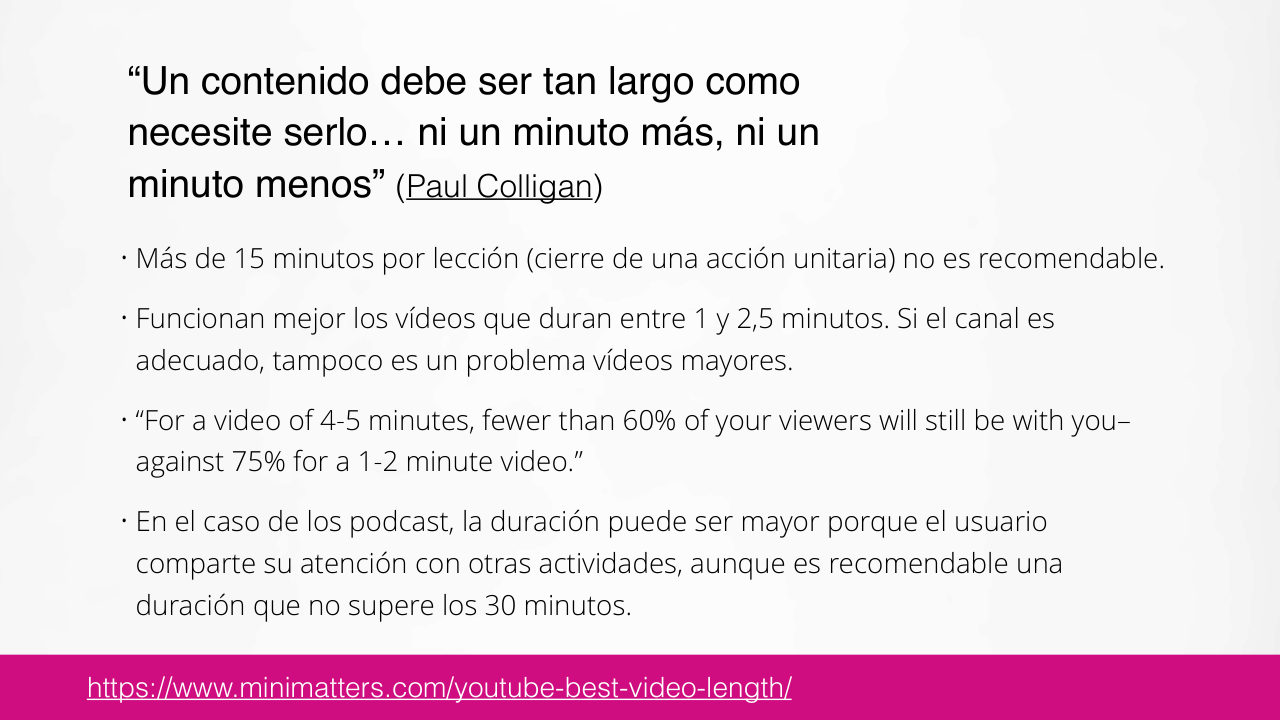
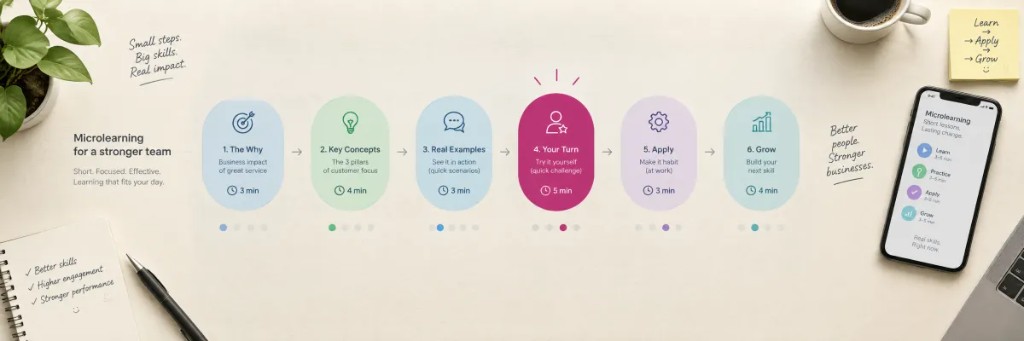
For a piece of microcontent, the maximum length should be 10 to 15 minutes, with 3 to 5 minutes being the usual length.
We understand microlearning as a set of short resources grouped into a learning sequence, with dynamics for control, feedback, assessment, and repetition.
This is where the question of effective and efficient time on task comes in. We argue that a microtraining program should have an average length of between 1 and 3 hours.
How can I design a microlearning activity?
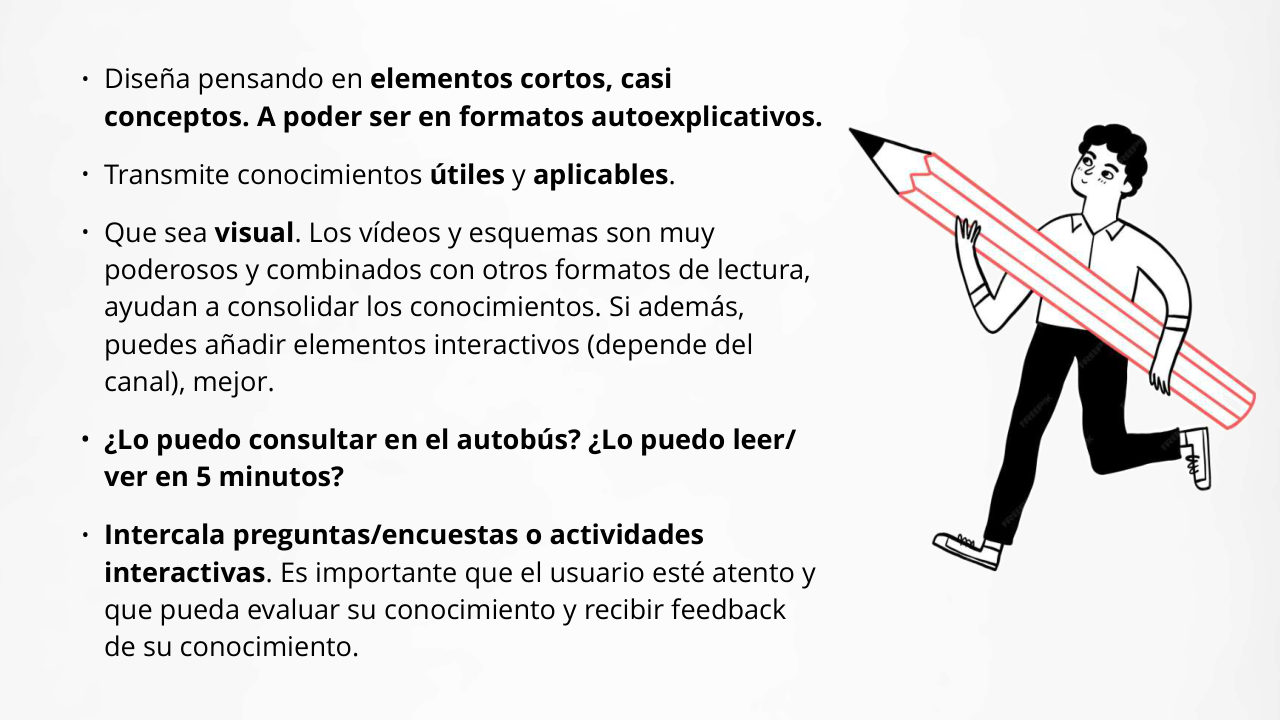
Here are 10 basic tips for designing better microlearning:- Design short concepts. Ideally, in self-explanatory content.
- Convey knowledge that is useful and applicable.
- Make it visual. Videos and diagrams are very powerful, and combined with other reading formats they help consolidate knowledge. If you can also add interactive elements, even better.
- Invite reflection. Ask your user to take some action.
- Can I look it up on the metro? Can I check it in 5 minutes?
- Intersperse questions, surveys, or interactive activities. It is important that the user stays attentive, so they can assess their knowledge and receive feedback on their learning.
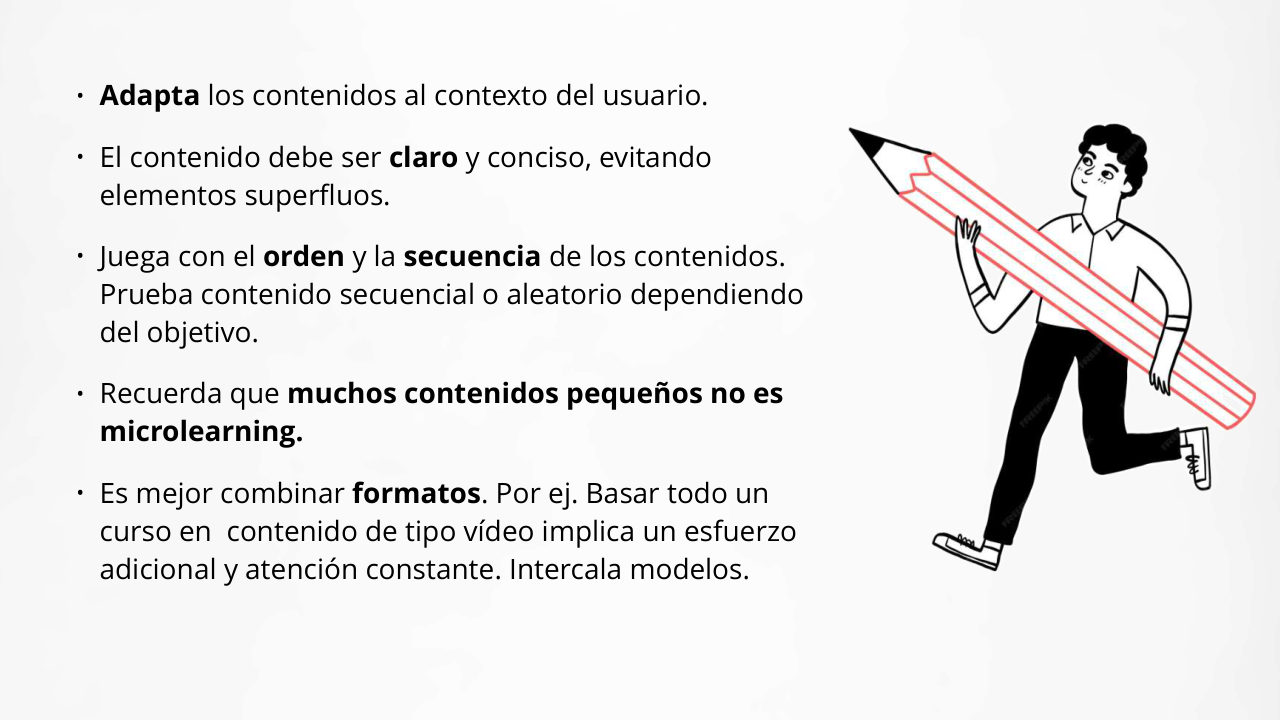
- Adapt the content to the user’s context.
- The content should be clear and concise, and it should avoid superfluous elements.
- Play with the order and sequence of the content. Then try sequential or random content, depending on the objective.
- Make sure there is constant assessment and feedback.
If you want to know more about microlearning, here is a presentation that summarizes the key concepts for you.